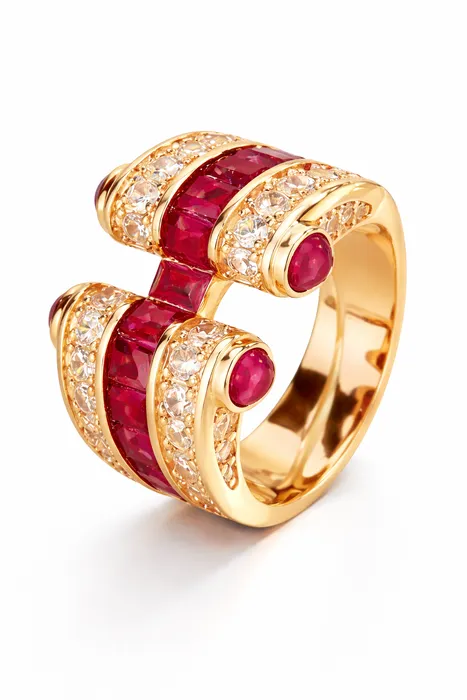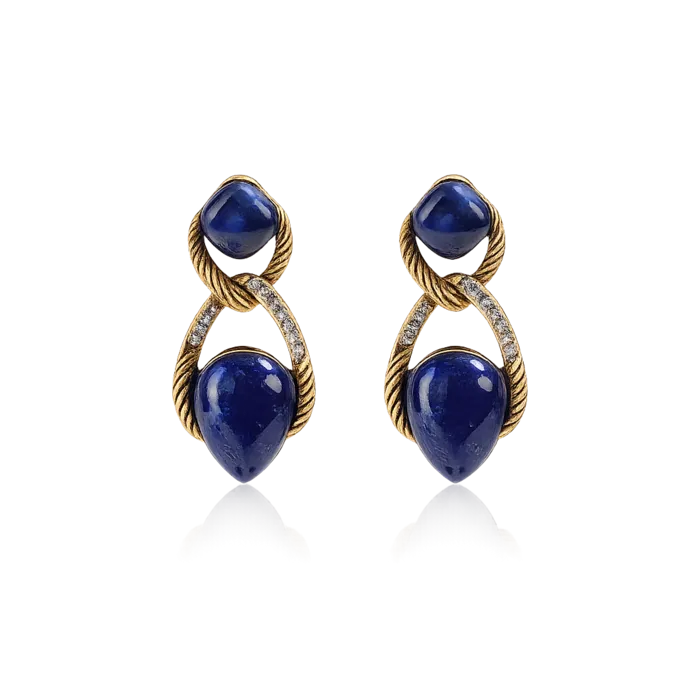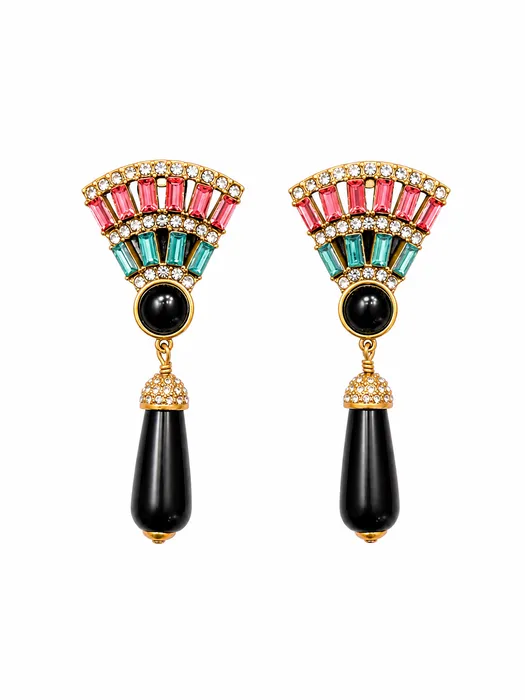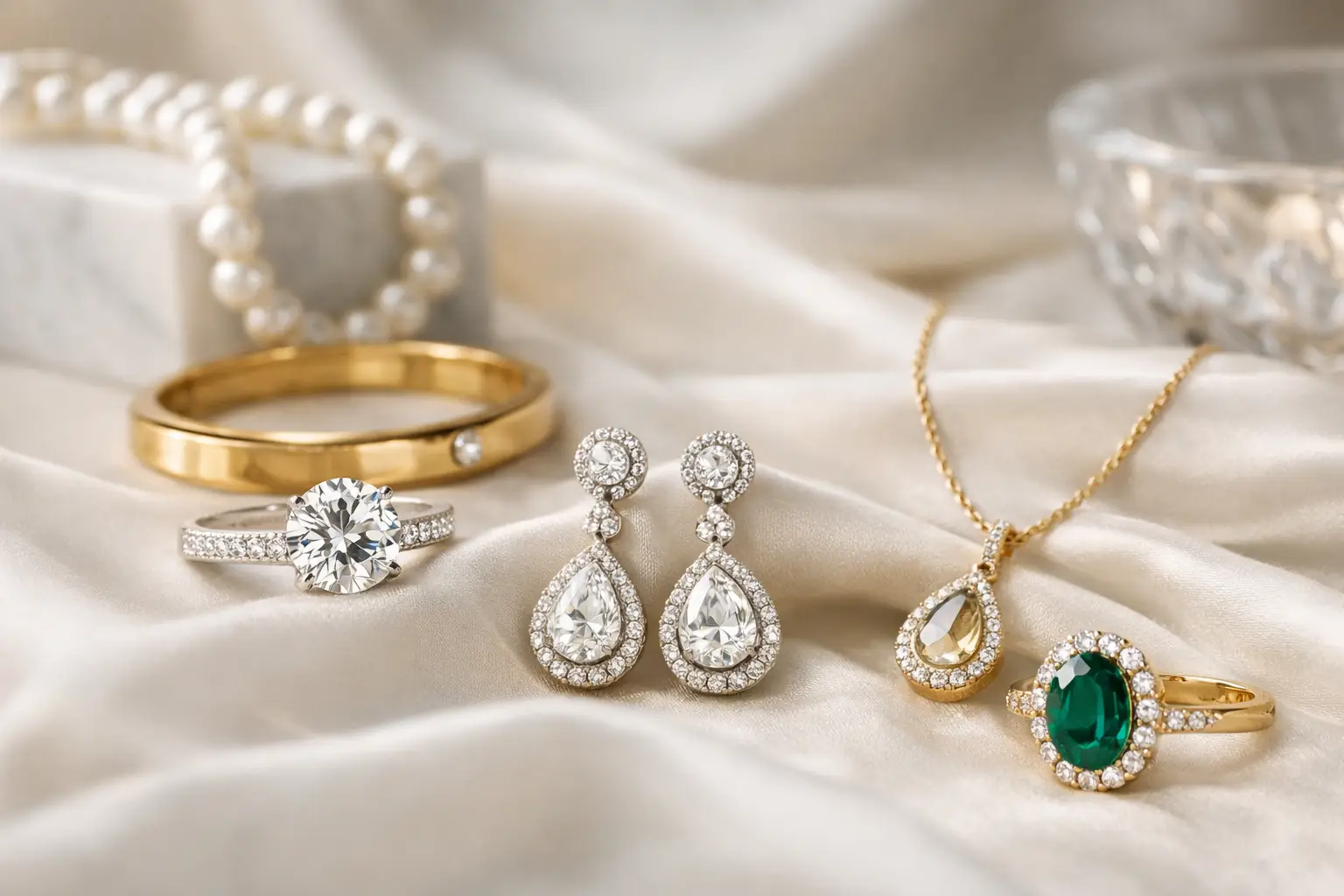
A fine necklace should not feel uncertain after six months. A ring should not lose its finish when it becomes part of daily life. The best luxury jewelry for women is not defined by price alone. It is defined by permanence - in design, in materials, and in the way it continues to belong in a wardrobe year after year.
That distinction matters more now because the market is crowded with pieces that borrow the language of luxury without delivering its standards. Gold tone replaces gold. Plating stands in for substance. Trend cycles move faster than craftsmanship can justify. What remains, for a discerning buyer, is a more precise question: what actually makes jewelry worth keeping?
What luxury jewelry for women should deliver
True luxury begins long before a piece is worn. It starts with proportion, construction, and restraint. A well-made bracelet feels balanced on the wrist. Earrings sit correctly. A chain has weight without heaviness. These are quiet details, but they separate fine jewelry from accessories designed for short-term appeal.
Materials are part of that standard, but they are not the whole story. Solid gold, sterling silver, and carefully selected stones matter because they age with dignity. Yet even excellent materials can be undermined by weak clasps, poor finishing, or design that chases a passing mood. Luxury is not simply what a piece is made of. It is how confidently that piece will live with you.
This is why timelessness is often misunderstood. It does not mean conservative or predictable. It means a piece has enough clarity to outlast a trend. A sculptural gold cuff can feel timeless. So can a slim diamond pendant or a signet ring with clean lines. The common thread is not style category. It is design discipline.
The shift from fashion jewelry to lasting value
There is a reason many women begin to buy jewelry differently in their late twenties, thirties, and beyond. At some point, accumulation loses its appeal. A drawer full of impulse purchases starts to feel expensive in the wrong way. Pieces tarnish, stones loosen, finishes fade, and what once felt exciting begins to feel disposable.
Investment, in jewelry, does not always mean buying the largest diamond or the rarest gem. More often, it means buying fewer pieces with better staying power. A refined pair of earrings worn three times a week is usually a better purchase than five trend-led pairs that feel dated by next season. Cost per wear is not the only measure, but it is a useful one.
There is also an emotional shift. Fine jewelry tends to become attached to moments, routines, and memory. The necklace worn to work presentations, dinners, flights, and anniversaries gains significance through repetition. Luxury earns its place when it becomes part of a life rather than a brief styling experiment.
How to recognize quality before you buy
A luxury purchase should stand up to scrutiny. If a brand cannot clearly speak to materials, craftsmanship, and wear, caution is justified. Vague claims are common in jewelry. Precision is rarer.
Start with the metal. Solid gold offers longevity that plated pieces cannot match, though gold vermeil and high-quality plating can still be valid choices depending on wear habits and expectations. The difference is honesty. If a piece is plated, it should be presented as such, not dressed up as permanent fine jewelry. Sterling silver can be an elegant long-term material as well, especially when design and finishing are handled properly.
Then consider construction. Clasps should close securely and feel intentional, not delicate to the point of concern. Prongs should be even. Chains should move fluidly without looking fragile. Surfaces should be polished or brushed with consistency. These details are easy to overlook in product imagery and immediately obvious in person.
Weight matters too, though not in a simplistic sense. Heavier is not always better. Some exceptional pieces are deliberately light for comfort. What matters is whether the piece feels substantial relative to its design. Luxury should never feel flimsy.
Timeless design is more selective than minimalism
Minimal jewelry is often described as timeless, and sometimes that is true. But timeless design is not just a matter of making something small or plain. It is about editing. The strongest pieces know what to leave out.
A necklace with a clear silhouette, a ring with balanced proportions, or earrings with a sculptural form often last because they do not compete for attention. They hold it. This is especially relevant for women building a jewelry wardrobe rather than collecting isolated statement pieces. The goal is not to own more. The goal is to own pieces that work across different moods, seasons, and settings.
In cities where style is sophisticated but practical - Barcelona is a strong example - jewelry tends to succeed when it can move between day and evening without feeling out of place. The same is true across major US cities, where women often want refinement that fits real schedules. Jewelry that only works for occasions is easier to admire than to truly wear.
Building a personal collection with intention
The smartest jewelry wardrobes are rarely assembled all at once. They are built gradually, with each piece serving a purpose. A pair of everyday earrings, a signature ring, a chain that layers well but also stands on its own, and one or two stronger pieces with presence can cover far more than an overflowing collection of short-lived purchases.
This is where personal style matters more than trend reports. If your wardrobe leans tailored and clean, sharp silhouettes and polished metals may feel most natural. If you prefer softer textures and romantic lines, delicate settings or organic forms may suit you better. Luxury jewelry for women should support identity, not overwrite it.
Gift buying follows a similar logic. The most successful luxury gifts are not the loudest ones. They are the pieces that become wearable immediately and stay relevant over time. If you are buying for someone else, versatility is often a better choice than novelty. A well-designed pendant or classic bracelet usually has a longer life than a highly specific fashion-forward piece.
When trend and timelessness can coexist
Timeless does not require rejecting trend entirely. It simply requires judgment. Some trends reveal lasting shapes in a new context. Others are destined to look tied to a single year. Knowing the difference is part of buying well.
Chunkier gold silhouettes, for example, may rise and fall in prominence, but bold gold itself has never disappeared. The same can be said for certain sculptural earrings or modern signet rings. By contrast, pieces built around novelty motifs or exaggerated styling cues often fade quickly.
A good rule is to ask whether the piece would still feel convincing without the current fashion conversation around it. If the answer is yes, it may have longevity. If not, it may still be worth buying - but as a seasonal indulgence, not a foundational investment.
Why craftsmanship still defines modern luxury
Luxury is often discussed in visual terms, but wear is the real test. Jewelry lives against skin. It moves through heat, travel, storage, perfume, and repetition. A beautiful piece that cannot tolerate normal use is not especially luxurious.
That is why modern buyers are becoming more exacting. They want jewelry that looks refined, but they also want confidence in how it was made. Maison Astral speaks to this shift with a simple proposition: luxury jewelry designed to last. The phrase works because it addresses what many women now value most - not excess, but endurance.
Craftsmanship also shapes comfort, which is often underrated. Earrings that pull, rings that catch, and chains that twist incorrectly are small failures that diminish wear. The finest jewelry becomes almost instinctive to put on. It integrates into daily life without demanding constant adjustment.
Choosing luxury with a longer view
The best jewelry purchases are usually the ones that still feel right after the initial excitement settles. That calls for patience. It may mean waiting for the piece with the right metal, scale, or craftsmanship instead of buying a substitute. It may mean choosing one excellent piece over several acceptable ones.
There is no single formula. Some women want quiet staples. Others want one defining piece they wear almost every day. Some collect to mark milestones. Others buy simply because they know quality when they see it. The common thread is discernment.
Luxury should leave little to explain. When a piece is well made, well chosen, and genuinely lasting, it does not need novelty to justify itself. It keeps showing up, year after year, exactly where it belongs.