A gold ring can look polished in a product photo and still disappoint after a season of wear. The difference usually comes down to one question: what is fine jewelry, really?
Fine jewelry is jewelry made from precious metals such as solid gold, platinum, and sterling silver, often set with natural or high-quality lab-grown gemstones. More than that, it is designed to hold its beauty through years of wear. The category is defined by material value, craftsmanship, and longevity - not by trend, price theater, or branding alone.
For anyone building a jewelry wardrobe with intention, that distinction matters. Fine jewelry is not simply the more expensive version of costume jewelry. It serves a different purpose. It is meant to be lived in, returned to, and kept.
What is fine jewelry made of?
At its core, fine jewelry begins with noble materials. Solid gold is one of the clearest markers. Whether 14k or 18k, gold offers durability, resistance to corrosion, and a depth of color that does not rely on surface coating. Platinum sits at the highest end of the spectrum, prized for its density, rarity, and naturally white tone. Sterling silver also belongs in the fine jewelry category, though it requires more maintenance because it can tarnish over time.
This is where confusion often starts. Gold-plated brass may look similar at first glance, but plating is a thin layer over a base metal. With regular wear, that outer finish can fade, exposing the material underneath. Vermeil, which uses a thicker gold layer over sterling silver, sits above basic plating, but it still does not offer the permanence of solid gold. Fine jewelry favors materials that are valuable through and through.
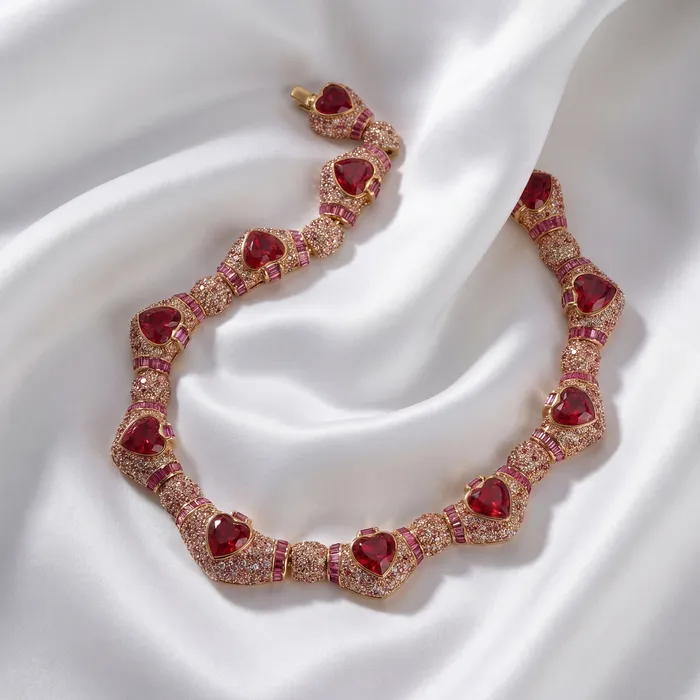
Gemstones matter too. Diamonds, sapphires, emeralds, rubies, and other precious or semi-precious stones are common in fine jewelry, as are carefully selected lab-grown stones. The key is not whether a stone is natural or lab-created in every case. The key is quality, stability, and the way it is cut and set. A fine piece should be made to preserve the stone, not merely present it.
The difference between fine jewelry and fashion jewelry
Fashion jewelry is designed first for style impact and accessibility. Fine jewelry is designed first for lasting wear. That single shift changes everything.
Fashion jewelry often uses brass, copper, steel, resin, glass, acrylic, or synthetic stones. There is nothing inherently wrong with that. For trend-led styling or occasional wear, those materials can make sense. But they are not typically chosen for permanence. Finishes may scratch, coatings may wear off, and settings may loosen sooner.
Fine jewelry, by contrast, is built with a longer horizon in mind. The metal has intrinsic value. The gemstone setting is more deliberate. The clasp, prongs, soldering, and polish all matter because the piece is expected to endure repeated wear, storage, cleaning, and handling.
That does not mean every fine jewelry piece is indestructible. Delicate chains can still kink. Softer stones can still chip. Pearls still need care. Fine jewelry is durable, not invincible. The point is that it is worth maintaining because it was made with permanence in mind.
Why craftsmanship matters as much as materials
Two rings can both be 18k gold and still belong to very different standards of quality. Materials are only part of the answer to what is fine jewelry. Craftsmanship completes it.
A fine piece should feel balanced in the hand. Stone settings should be secure and clean. The underside of a ring, the finish of a clasp, the symmetry of a pair of earrings - these quieter details often reveal more than the headline description. Precision matters because small structural decisions affect how a piece wears over time.
Craftsmanship also shapes comfort. Fine jewelry should sit well on the body. Earrings should not pull unnecessarily. Rings should have a thoughtful interior finish. Chains should move fluidly rather than catch or twist. Luxury is not just appearance. It is how a piece performs in daily life.
This is where refined design earns its value. A timeless piece is not timeless only because it avoids trends. It is timeless because its proportions, materials, and construction continue to make sense years later.
Is fine jewelry always expensive?
Usually, yes - but not always in the way people assume. Fine jewelry costs more because precious metals and quality stones cost more, and because skilled production takes time. That said, price alone does not make a piece fine jewelry.
A heavily marked-up item can still be poorly made. A minimalist solid gold band may cost less than a large fashion statement necklace from a luxury label, while offering far greater long-term value. The category is about material integrity and construction, not visual excess.
It also helps to think in terms of cost over time. A plated piece replaced every year can become more expensive than a well-made gold piece worn for a decade. For buyers who prefer fewer, better things, fine jewelry often makes financial sense alongside aesthetic sense.
What counts as fine jewelry today?
The modern fine jewelry market is broader than it once was. Traditional houses still define part of the category, especially in high jewelry and heritage craftsmanship. But contemporary direct-to-consumer brands have changed expectations by offering fine jewelry in cleaner, more wearable forms.
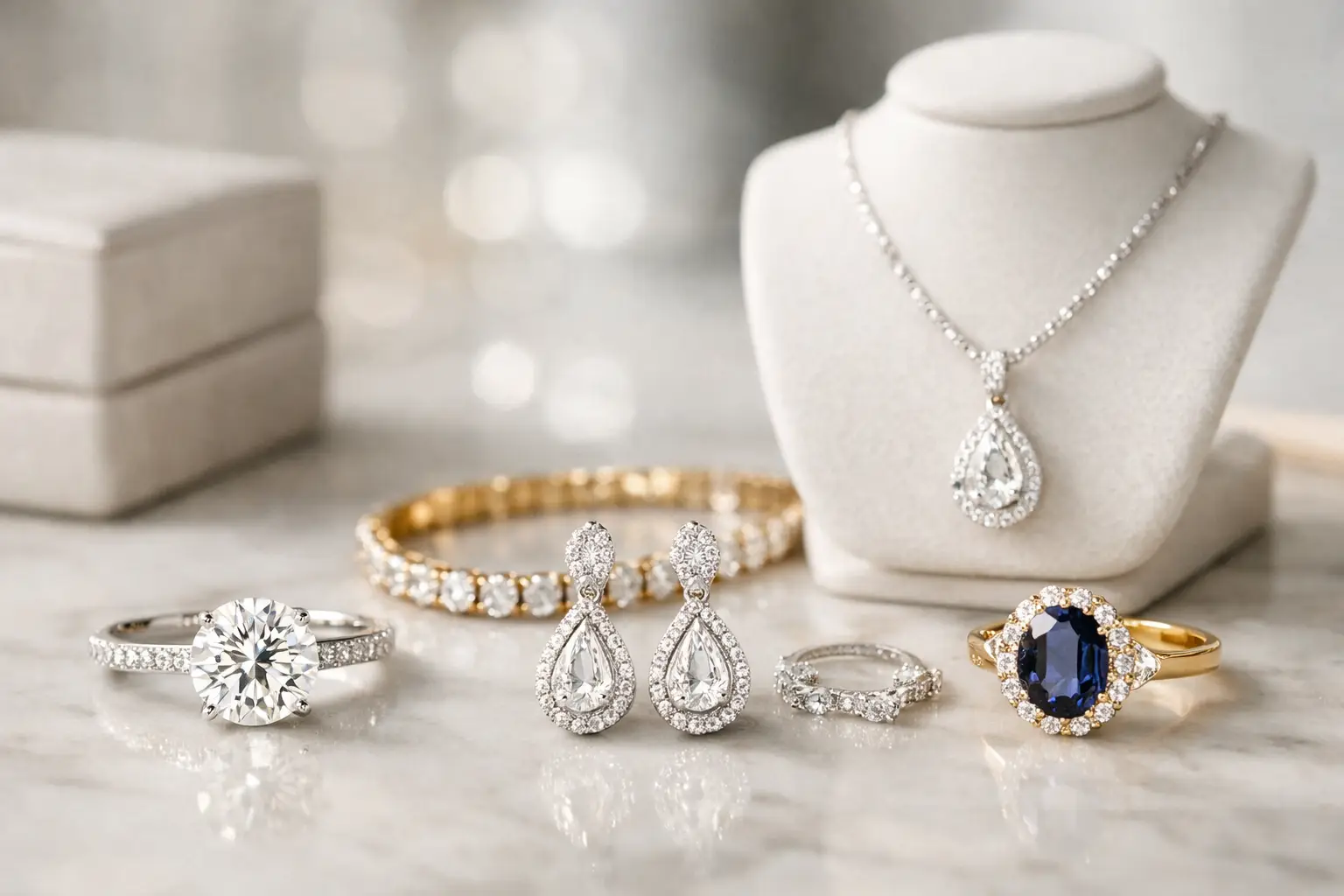
That means fine jewelry now includes classic diamond studs and platinum engagement rings, but also understated gold hoops, sculptural bands, slim tennis bracelets, and everyday pendants designed to layer without feeling temporary. The common thread is not a specific look. It is enduring quality.
Lab-grown diamonds have also shifted the conversation. They are real diamonds with the same chemical composition as mined diamonds, and they can absolutely appear in fine jewelry. What matters is transparency, grading, and setting quality. The category has room for both mined and lab-grown stones when the standards remain high.
How to tell if a piece is truly fine jewelry
A few signals are worth checking before you buy. Start with the metal. Look for clear disclosure such as solid 14k gold, 18k gold, platinum, or sterling silver. If the description leans on phrases like gold tone, gold finish, or dipped, it is not fine jewelry in the traditional sense.
Then look at the stone information. Fine jewelry sellers should be precise about what the stones are, whether they are natural or lab-grown, and how they are set. Vague language usually suggests lower standards.
Hallmarks can help, though they are not the whole story. Markings such as 14k, 18k, 925, or PT indicate metal content. Beyond that, pay attention to the details the brand chooses to emphasize. Serious fine jewelry brands discuss craftsmanship, wearability, and material integrity with confidence and clarity.
A return policy, repair approach, and care guidance also say a great deal. Brands that design for longevity tend to speak openly about maintenance because they expect their pieces to stay in circulation.
Who should buy fine jewelry?
Anyone who wants jewelry to become part of their personal uniform, not a short-lived impulse purchase. Fine jewelry suits milestone moments, of course, but it is just as relevant for everyday wear. A well-made ring or necklace can carry more presence than a drawer full of disposable pieces.
For gift buyers, the appeal is even clearer. Fine jewelry holds emotional weight because it is built to last beyond the occasion itself. It can mark a birthday, anniversary, promotion, or personal turning point without feeling tied to a passing season.
That is especially true for buyers who want elegance without noise. In cities such as Barcelona, Madrid, New York, or Los Angeles, style often leans on restraint. Jewelry that lasts fits naturally into that mindset. It does not need to announce itself loudly to feel luxurious.
Why fine jewelry remains relevant
Trends move quickly. Materials do not. Fine jewelry continues to matter because it offers something fashion rarely does - continuity.
A well-chosen piece becomes familiar in the best way. It settles into daily life, collects memory, and still retains value as an object. That combination is rare. It is also why brands built around lasting design, including Maison Astral, speak less about novelty and more about permanence.
If you are asking what is fine jewelry, the shortest answer is this: it is jewelry made to remain. Not just in your collection, but in your life. Choose pieces that can keep pace with both.