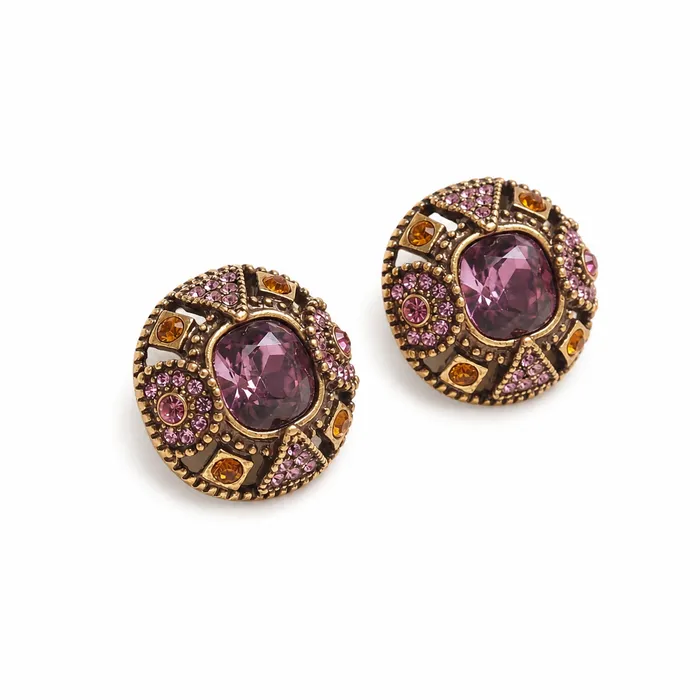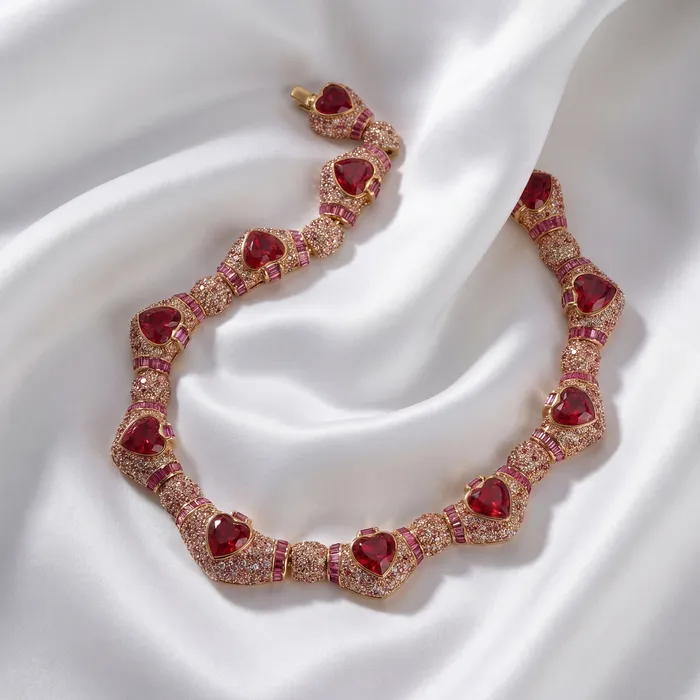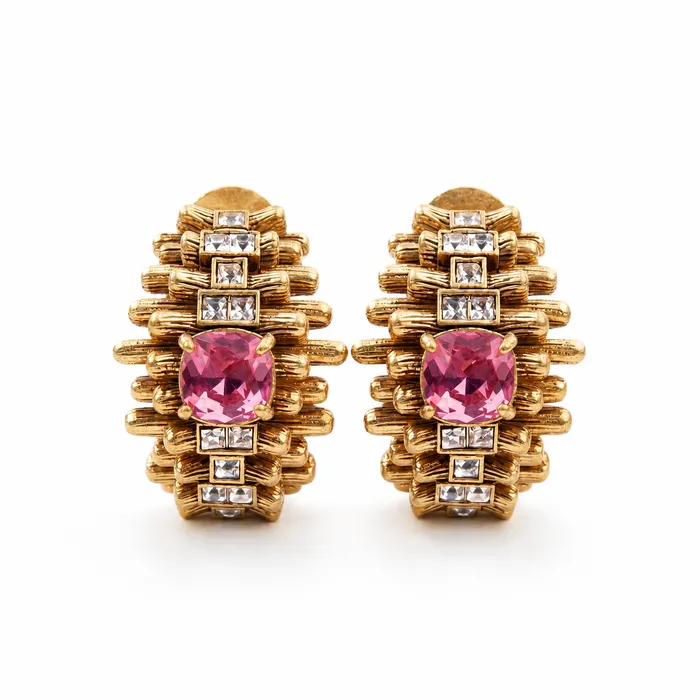
A fine jewelry purchase should still feel right years after the occasion that inspired it. This timeless jewelry buying guide is for choosing pieces with presence, purpose, and the quiet versatility to become part of your signature.
Trend-led jewelry can be enjoyable, but it serves a different role. Enduring jewelry earns its place through considered proportions, honest materials, and workmanship that supports real wear. The goal is not to build a collection all at once. It is to choose well enough that each new piece has a reason to remain.
Start With the Life the Piece Will Lead
Before considering a silhouette or gemstone, consider how the jewelry will be worn. A ring intended for daily use meets different demands than earrings reserved for dinners and celebrations. A necklace that sits beneath a shirt collar needs a different scale from a pendant chosen to be seen across a room.
Ask practical questions without reducing the romance of the purchase. Will the piece be exposed to water, fragrance, hand sanitizer, exercise, or frequent travel? Does it need to sit comfortably through a full workday? Will it be worn alone, layered with existing favorites, or saved for specific occasions?
Daily wear calls for secure construction and a shape that does not catch easily on fabric. For someone who prefers a pared-back wardrobe, one substantial chain or a pair of beautifully proportioned hoops may offer more value than several occasional pieces. For a collector, a distinctive signet ring or gemstone pendant can provide a focal point without relying on a passing trend.
Timeless Jewelry Buying Guide: Choose Materials First
The materials determine much of a piece's longevity, both visually and structurally. Precious metals are not interchangeable, and the right choice depends on lifestyle, color preference, and desired maintenance.
Solid gold remains a natural foundation for a lasting collection. It will not reveal a base metal beneath the surface as plated jewelry can over time. Karat matters: 18k gold has a richer gold content and a warm, saturated appearance, while 14k gold is typically more resistant to the knocks of frequent wear. Neither is universally superior. The better choice is the one that suits the wearer and the intended use.
White gold offers a crisp, architectural look, although its rhodium finish may require occasional renewal to retain its brightest white tone. Yellow gold has a softness that complements both contemporary and inherited-looking designs. Rose gold adds warmth, but its distinct color can make it slightly less flexible if a collection is otherwise built around yellow or white metals.
Platinum is valued for its density, pale natural color, and strength, particularly in settings designed to secure diamonds or other precious stones. It is often a considered choice for rings worn every day. Its weight is part of its appeal, though some wearers prefer the lighter feel of gold.
Sterling silver can also have a place in a thoughtful wardrobe, especially when the design and finish are exceptional. It does require more care than gold or platinum because tarnish is part of its nature. Buy it for the beauty of the piece, not because it imitates another metal.
Look Beyond the Surface Finish
A polished surface can make almost any piece look convincing at first glance. What matters is what sits beneath it. Ask whether the metal is solid, plated, vermeil, or filled, and understand what each description means for long-term wear.
Plating is a surface layer and will eventually wear, especially on rings, bracelets, and pieces that encounter skin, clothing, and hard surfaces every day. Vermeil uses gold over sterling silver and can be a refined option for lighter wear, but it still requires care. These are not inherently poor choices. They simply belong in a different category from fine jewelry made for decades of use.
Favor Silhouettes With Staying Power
Timelessness does not mean timid design. It means a piece has a clear point of view that does not depend on a fleeting detail to feel relevant. Clean lines, balanced scale, and thoughtful restraint tend to travel well across changing wardrobes and seasons.
Certain forms return because they work: hoops with a considered diameter, a fine chain with a single pendant, a tennis bracelet, a sculptural bangle, a signet, a solitaire, or a pair of luminous studs. Their familiarity is not a limitation. It gives them range. The distinction lies in proportion, finishing, stone selection, and how naturally the design becomes part of the wearer.
When choosing scale, resist the assumption that larger always feels more luxurious. A piece should be visible enough to bring pleasure, yet in proportion with the hand, neck, wrist, and personal style. Try on different sizes where possible. The right piece often feels less like an addition and more like a natural extension of how you dress.
Consider how the jewelry relates to what you already own. If your wardrobe is built around black tailoring, denim, crisp cotton, and neutral knits, polished gold and diamond accents may offer remarkable range. If you wear saturated color or expressive prints, a clean gemstone ring or pendant can give the look a composed center.
Evaluate Craftsmanship Where It Counts
Fine craftsmanship is often felt before it is explained. A well-made clasp closes with confidence. A chain moves fluidly rather than twisting or catching. A setting holds a stone securely without appearing heavy-handed. Edges are finished so that the jewelry is comfortable against the skin.
For rings, inspect the shank, or band, for adequate substance. Extremely thin bands can be elegant, but they may be more vulnerable to bending when worn constantly. For necklaces and bracelets, pay attention to the clasp and connection points. These small details carry the daily responsibility of the piece.
Gemstone settings deserve particular care. Prongs should be even and substantial enough to protect the stone without obscuring it. Bezel settings offer a smooth, modern profile and excellent protection, making them especially practical for active wear. Prong settings allow more light around a stone and can create a lighter visual effect, but they should be checked periodically.
A diamond's beauty comes from its overall balance, not from one specification alone. Cut has a significant effect on brightness and life, while color, clarity, and carat weight influence appearance and price. For colored stones, evaluate hue, saturation, transparency, and whether the stone has been treated. Ask direct questions and expect precise answers. A luxury purchase should come with clarity, not ambiguity.
Buy for Versatility, Not Constant Matching
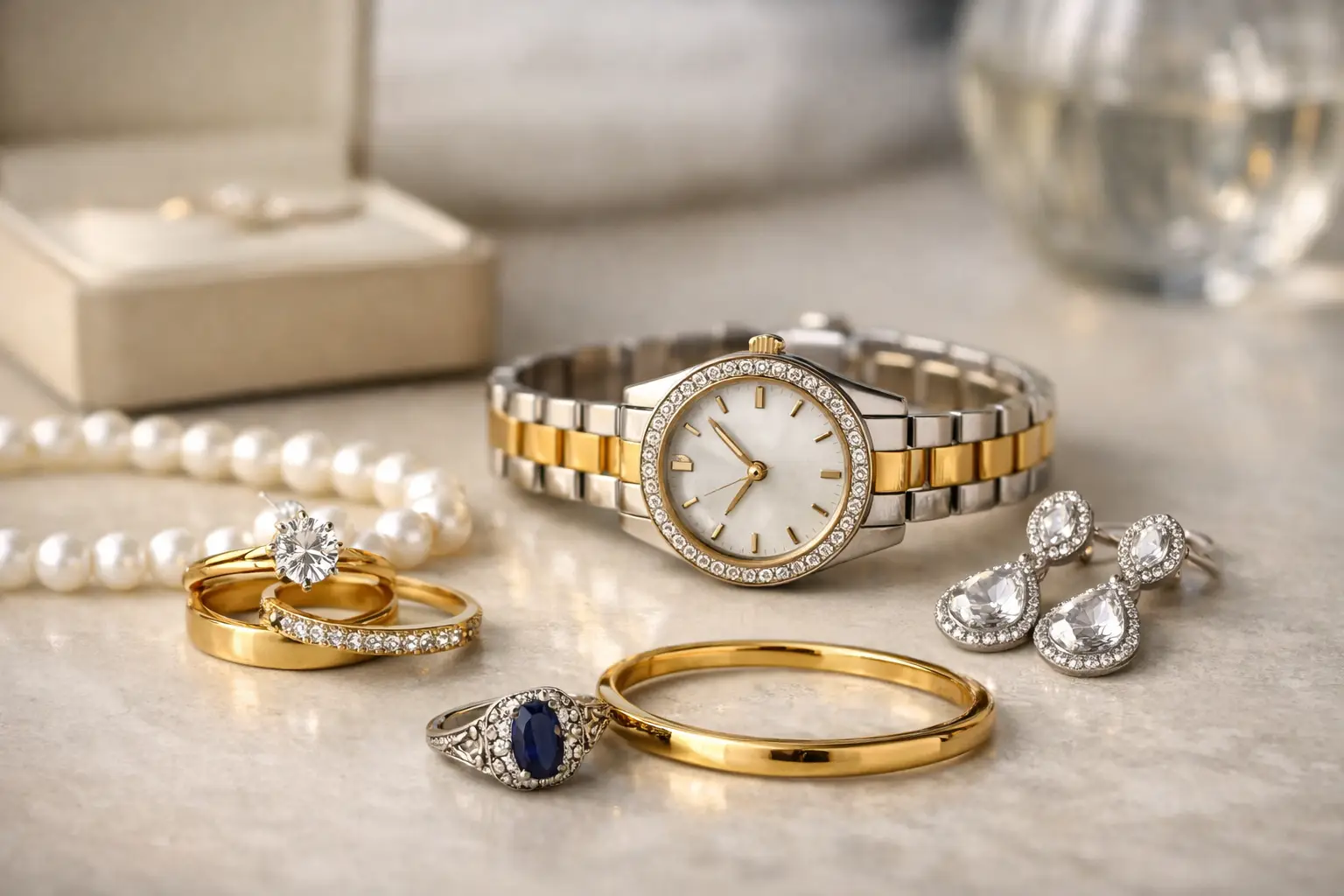
A cohesive jewelry wardrobe does not require every piece to match. It needs an underlying conversation between metals, textures, and scale. A yellow-gold ring can sit beautifully beside a white-gold watch. A diamond stud can work with a sculptural silver cuff. Intentional contrast often feels more personal than a perfectly coordinated set.
Still, a first fine jewelry purchase benefits from versatility. Choose something that works with an open collar, a simple knit, a tailored jacket, and an evening dress. If a piece only makes sense with one outfit or one mood, it may be better viewed as an occasion purchase rather than a foundation piece.
Think in terms of cost per wear, but do not treat jewelry as a spreadsheet. The more useful question is whether you will reach for it without needing to plan around it. A piece that becomes habitual carries both practical and emotional value.
Leave Room for Meaning
The most enduring jewelry is often linked to a person, place, achievement, or turning point. A graduation gift, a first major promotion, a new chapter, or a promise to oneself can give a design lasting gravity. That meaning does not need to be engraved or visible to anyone else.
If you are buying a gift, observe what the recipient already wears. Notice metal color, necklace length, ring style, and whether their taste leans minimal or expressive. A thoughtful gift need not be predictable, but it should feel attentive. When uncertain, an elegant everyday piece is usually more lasting than an elaborate statement.
Care is part of ownership. Store pieces separately to limit scratching, remove them before activities that expose them to impact or harsh chemicals, and have settings checked when the jewelry is worn frequently. These small rituals preserve not only the finish, but the confidence of wearing a piece without hesitation.
Choose the piece that you can imagine reaching for on an ordinary Tuesday, not only on a memorable evening. Over time, that is how fine jewelry becomes personal: worn often, cared for well, and allowed to gather its own history.