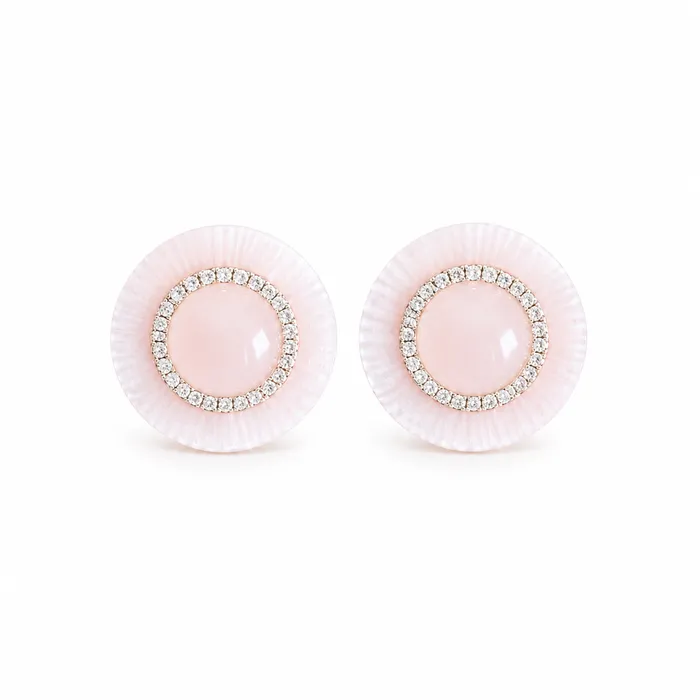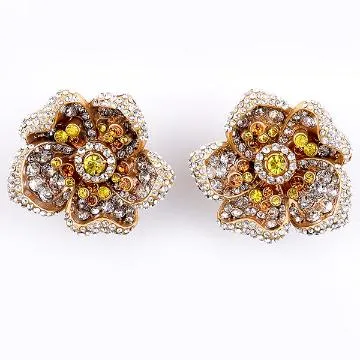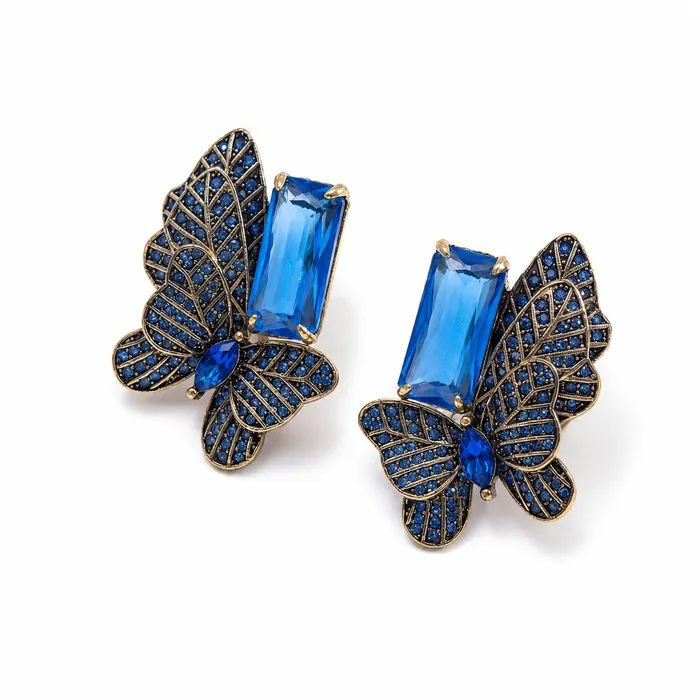
A heavy signet ring worn with a crisp white shirt. Diamond studs that read as presence, not spectacle. A gold cuff that feels modern now and still right five years from now. Luxury jewelry trends 2026 are moving in a clear direction: less novelty, more permanence.
That shift matters. In fine jewelry, trend can be useful, but only when it sharpens personal style rather than replacing it. The strongest pieces next year will not be the loudest. They will be the ones with weight, clarity, and enough design intelligence to stay relevant beyond a single season.
Luxury jewelry trends 2026 are becoming more exacting
The mood is refined. Clients are asking harder questions about materials, craftsmanship, and wearability. They want jewelry that works at 9 a.m., at dinner, and at a formal event without feeling like a compromise in any setting.
This is especially visible among urban luxury buyers in markets such as Barcelona, Madrid, New York, and Los Angeles, where personal style tends to be edited rather than overstated. The appetite is not for less luxury. It is for luxury with discipline.
In practice, that means designs with cleaner lines, stronger proportions, and fewer decorative distractions. It also means a growing preference for pieces that can anchor a wardrobe over time. A necklace should not need a trend cycle to justify its place. A ring should feel like part of a signature.
Gold gets bolder, but more controlled
Gold remains central, though the expression is changing. For 2026, the interest is in sculptural forms with substance: rounded domes, softly architectural cuffs, wider bands, and earrings with volume. The finish tends to be polished, satin, or lightly brushed rather than heavily textured.
The difference is restraint. Bold does not mean oversized for its own sake. The most convincing gold jewelry this year has presence without excess. It frames the face, shapes the wrist, or grounds the hand with confidence, but never looks costume-driven.
Yellow gold continues to lead, particularly in warm, rich tones that flatter skin and photograph beautifully. White gold still holds appeal for those who prefer a cooler palette, while rose gold becomes more selective - elegant on the right wearer, less universal than it once seemed.
For buyers, this trend comes with a useful question: do you want a statement piece, or a permanent one? Sometimes the same piece can be both. But often the best investment is a form with enough character to stand alone and enough simplicity to wear repeatedly.
The return of the strong silhouette
Statement is shifting from ornament to shape. Instead of highly embellished surfaces, we are seeing clean silhouettes with deliberate volume. Think earrings that curve close to the lobe, collars that sit precisely at the neckline, and rings that feel almost sculpted from a single gesture.
This is where craftsmanship becomes visible. When design is reduced, proportion has to be exact. Poorly made minimalism looks flat very quickly. Well-made minimalism looks expensive even before anyone asks why.
Diamonds are quieter, and that makes them stronger
The diamond story in 2026 is not about maximal sparkle. It is about clarity of use. Diamonds are being set in ways that support daily wear: close to the skin, balanced in scale, and integrated into designs that do not depend on drama.
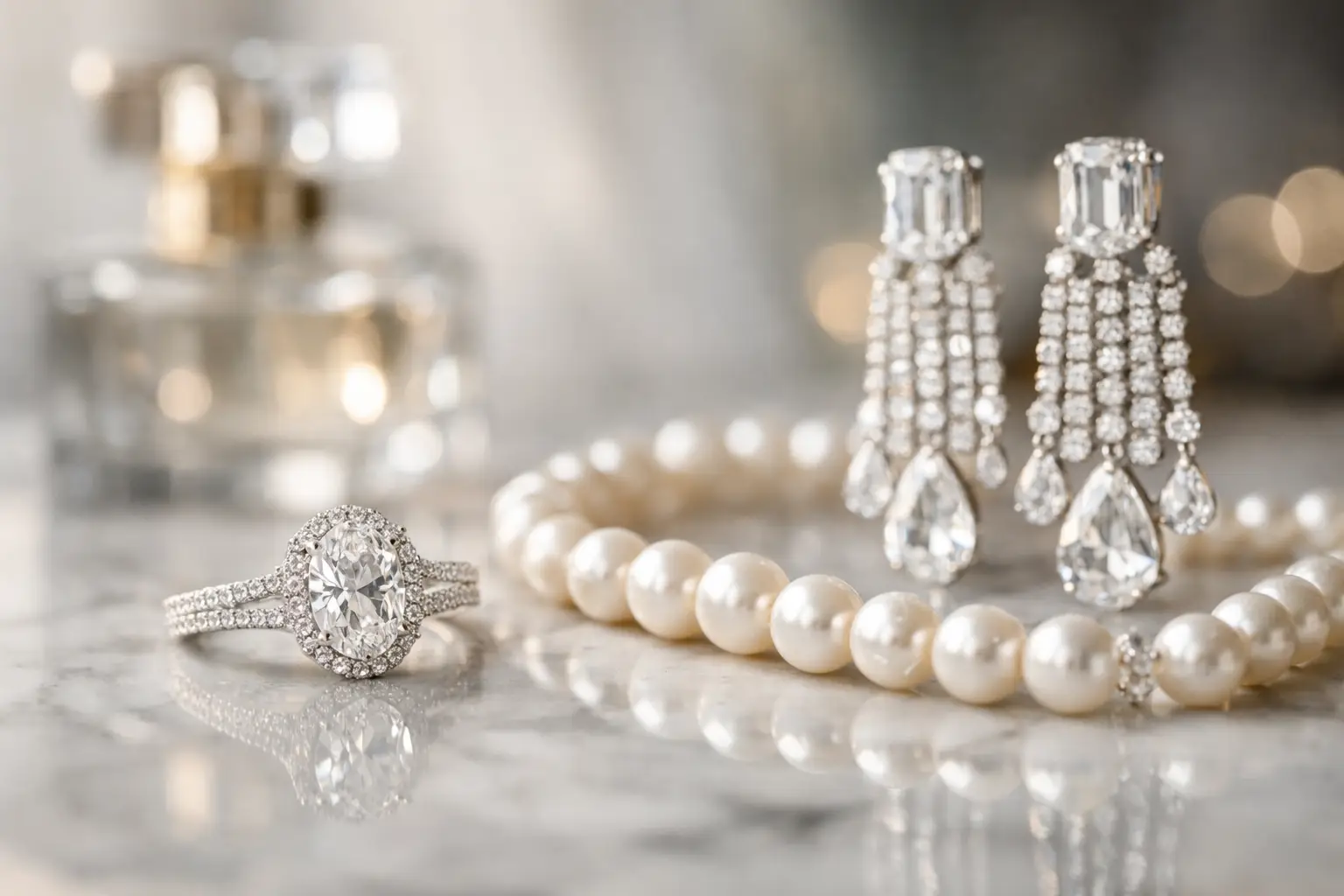
Stud earrings, rivière-style necklaces with cleaner settings, tennis bracelets with more tailored profiles, and understated rings all remain relevant. Pear and oval shapes continue to hold attention, but there is less pressure to chase one cut over another. The setting and the proportion matter more than the trend label.
There is also a noticeable preference for diamonds as accent and punctuation rather than full declaration. A slim gold ring with a single well-placed stone can feel more luxurious than a more elaborate design. Restraint, again, reads as confidence.
This does not mean high-jewelry glamour disappears. It means everyday luxury becomes more valuable. For many buyers, especially those building a serious jewelry wardrobe piece by piece, a diamond that can be worn often is more compelling than one reserved for rare occasions.
Layering stays, but it becomes sharper
Layering is no longer about collecting as many pieces as possible. In 2026, layered jewelry looks best when it appears intentional. Two necklaces at distinct lengths. Three rings with a shared visual language. A bracelet stack with contrast in width, not chaos in style.
The over-styled stack is losing ground. It can still work in fashion contexts, but in luxury, the direction is cleaner. Every added piece should improve the composition. If it does not, it should not be there.
Necklaces with structure
Necklaces are becoming more architectural. Chains still matter, especially substantial link styles and fluid, second-skin silhouettes, but pendants are more selective. Rather than novelty charms, there is movement toward meaningful motifs, abstract forms, and stones chosen for tone rather than trend.
Shorter lengths are particularly strong because they sit with tailoring and open necklines so well. They also layer more elegantly. A necklace should complement the line of the collarbone, not compete with it.
Rings with intention
Ring dressing is becoming more disciplined. One bold ring can carry a look. Two or three can work beautifully when their shapes relate. Mixed metals remain possible, though they look best when the contrast is deliberate rather than accidental.
The strongest rings next year will have either emotional significance or formal precision. Ideally both. That is why signet-inspired shapes, sculptural bands, and solitaire-led designs continue to resonate.
Color returns through stones, not excess
While diamonds and gold remain the foundation, color is returning through fine stones used with measure. Emeralds, sapphires, and rubies are appearing in cleaner settings, often paired with substantial gold rather than ornate detailing.
This is an important distinction. Color is not coming back as decoration. It is being used as depth. A deep green stone in a severe gold ring. Blue sapphires in crisp earrings. Rubies that add warmth without turning sentimental.
For buyers who want individuality, colored stones offer a strong route. The trade-off is that they ask for more personal certainty. A diamond can feel universally adaptable. A colored stone tends to feel more specific. That specificity is the appeal, but it should suit the wearer rather than a passing mood.
Jewelry is expected to work harder
One of the most useful ways to understand luxury jewelry trends 2026 is to look at function. Buyers still want beauty, but they also want relevance. Pieces should transition across dress codes, hold up to regular wear, and feel worth reaching for repeatedly.
That expectation favors secure clasps, solid construction, balanced settings, and materials chosen for longevity. It also favors design that is expressive without becoming difficult. A beautiful earring that catches on everything will not become a favorite. A ring that looks impressive but feels awkward on the hand rarely lasts in real life.
This is where a brand’s philosophy matters. Maison Astral’s point of view - luxury jewelry designed to last - aligns naturally with the direction of the market. Not because durability is a trend, but because discernment is.
What to buy if you want relevance beyond 2026
The most intelligent purchases next year will sit between current and enduring. That usually means starting with shape, material, and frequency of wear before thinking about novelty.
A sculptural gold cuff, a precise pair of diamond studs, a substantial band ring, or a refined tennis bracelet are all strong choices because they can live across years, not just seasons. If you want one directional piece, make it count. Choose something with a distinct silhouette rather than a gimmick. Fashion dates quickly. Form lasts longer.
If you are buying as a gift, the same rule applies. The safest luxury gift is not the plainest piece. It is the one with enough personality to feel special and enough balance to become part of daily life.
The best jewelry in 2026 will not ask for constant attention. It will earn it quietly, each time it is worn.