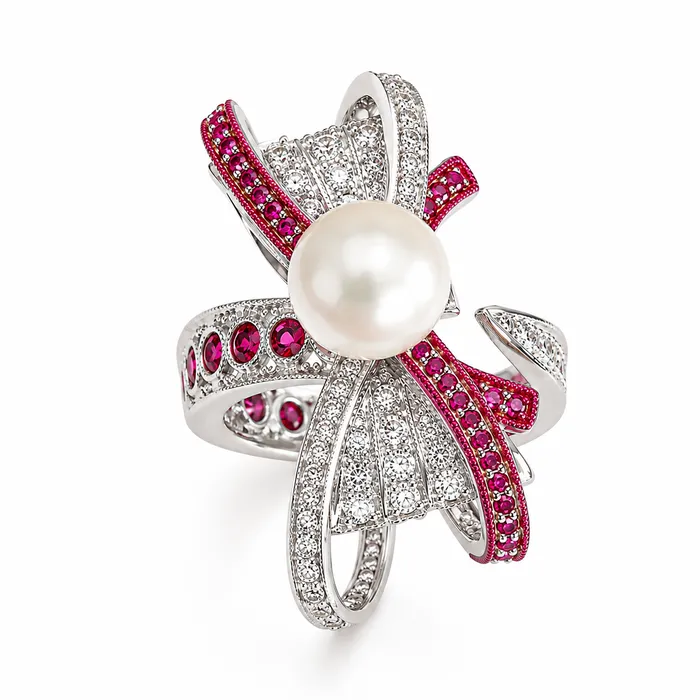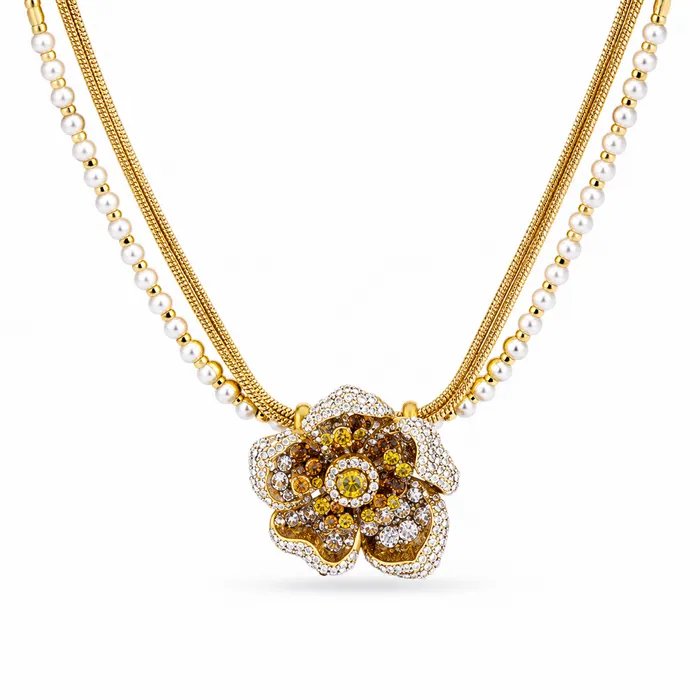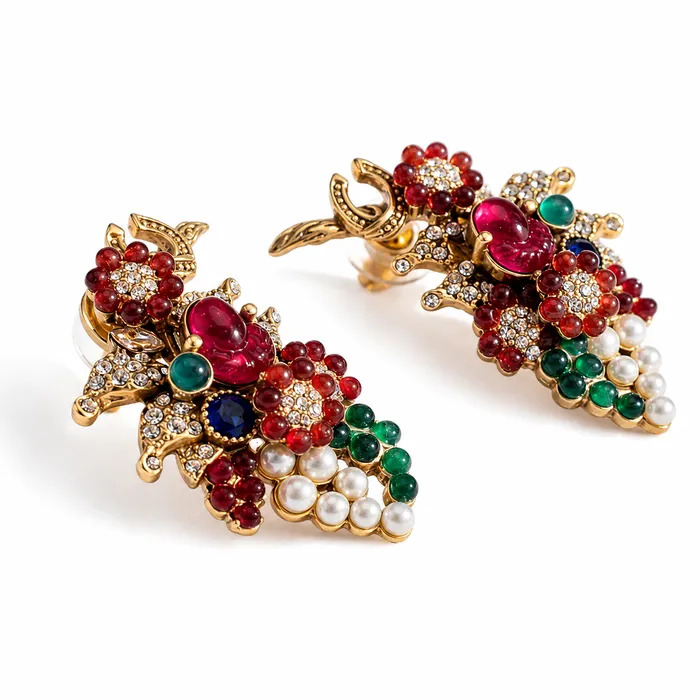
A fine jewelry purchase should feel clear before it feels exciting. If you are learning how to buy fine jewelry, the real task is not finding the flashiest piece. It is knowing what will still look right, wear well, and feel personal years from now.
That distinction matters. Fine jewelry sits in a different category from fashion jewelry not because of marketing, but because of materials, construction, and longevity. When you buy well, you are choosing something that can become part of your daily wardrobe, not just a momentary indulgence.
How to buy fine jewelry without overpaying
The first filter is simple: separate lasting value from surface appeal. A piece can look luxurious in a photograph and still be poorly made. Another can appear understated and reveal its worth only in the details - the weight, the finish, the setting, the balance on the body.
Start with the materials. Fine jewelry is typically made in solid gold, platinum, and, in some cases, high-quality sterling silver. Solid gold is often the clearest benchmark because it combines precious value with wearability. Fourteen karat gold offers strength for everyday use, while eighteen karat gold has a richer tone and a slightly softer composition. Neither is automatically better. If the piece is meant to be worn often, durability may matter more than a deeper gold color.
Platinum has a distinct appeal. It is dense, naturally white, and exceptionally durable, though usually more expensive. It suits buyers who prefer weight, quiet prestige, and low-maintenance color over time. Sterling silver can be elegant, but it requires more upkeep and does not occupy the same long-term value category as gold or platinum.
Price follows these material realities, but not perfectly. Brand positioning, design scarcity, craftsmanship, stone quality, and production methods all affect cost. That is why buying fine jewelry well is less about chasing the lowest price and more about understanding what you are paying for.
What fine jewelry quality really looks like
Craftsmanship is easy to overlook online because it rarely announces itself. It shows up in small decisions. Prongs should be even and secure. Clasps should close with confidence. Links should move smoothly without feeling fragile. Stone settings should look intentional, not bulky or rushed.
A polished finish alone is not proof of quality. In fact, many weaker pieces are made to look convincing at first glance. The better question is whether the jewelry is built to last through repeated wear. Rings and bracelets especially need sound structure because they take more daily impact than earrings or pendants.
If gemstones are involved, examine the setting as closely as the stone. A well-cut diamond or colored stone can lose its elegance in a poor mount. Fine jewelry should feel resolved from every angle. The back of a pendant, the underside of a ring, and the clasp on a chain all tell you whether the maker cared about longevity or only presentation.
This is also where scale matters. Oversized designs in thin metal may cost less to produce while appearing substantial in photos. Heavier does not always mean better, but extremely light pieces can signal compromise. Jewelry should feel considered in the hand.
Choosing gemstones with perspective
Gemstones often dominate the conversation, but they should not overwhelm your judgment. For many buyers, especially those investing in a first significant piece, the instinct is to focus almost entirely on carat size. That can be expensive and shortsighted.
For diamonds, cut usually has the strongest visual impact. A smaller diamond with excellent cut can look more alive than a larger stone with poor proportions. Clarity and color matter, but not always in ways visible to the naked eye. Paying for technical perfection that no one can see may not be the smartest choice unless rarity itself is the point.
Colored gemstones require a different lens. Color quality is often more important than size. Saturation, tone, and overall liveliness tend to shape beauty more than strict grading language. Emeralds, sapphires, and rubies also come with natural inclusions and treatment considerations, so context matters. A perfectly clean stone may be less realistic or far more expensive than a slightly included one with better character.
If you are buying as a gift, timelessness usually matters more than novelty. Neutral diamonds, rich sapphires, and classic emeralds tend to wear well across changing wardrobes. Trend-driven stones or highly unusual cuts can be beautiful, but they ask for a more specific personal style.
How to match the piece to your life
The best fine jewelry purchase is not always the most formal one. It is the one that fits your habits. A delicate diamond pendant may be worn four times as often as a dramatic cocktail ring. A slim gold bracelet may become part of a daily uniform in a way an ornate statement piece never will.
That is why utility belongs in a luxury purchase. Consider how often you will wear the piece, what it needs to work with, and how much maintenance you are realistically willing to do. If you travel often or keep a minimal wardrobe, versatile pieces tend to justify their price more easily. If the jewelry marks a major milestone, emotion may matter more than frequency of wear.
For engagement rings, wedding jewelry, and personal heirloom purchases, symbolism carries real weight. Even then, practicality should not be dismissed. The ring that catches on everything or the earrings that feel too heavy after an hour may spend more time stored than worn.
A refined collection usually begins with restraint. One excellent chain, one pair of well-made earrings, one ring with presence - these often do more than a drawer full of impulse buys.
Buying online versus buying in person
Learning how to buy fine jewelry today means navigating both digital and physical retail with equal care. Online shopping offers access, price transparency, and time to compare. It also removes the tactile information that matters in fine jewelry.
When buying online, look closely at metal specifications, stone details, dimensions, and close-up photography. Measurements are essential because scale can be misleading on screen. Return policies and certification details matter, but so does visual honesty. If every image is heavily styled and none show realistic proportion, proceed carefully.
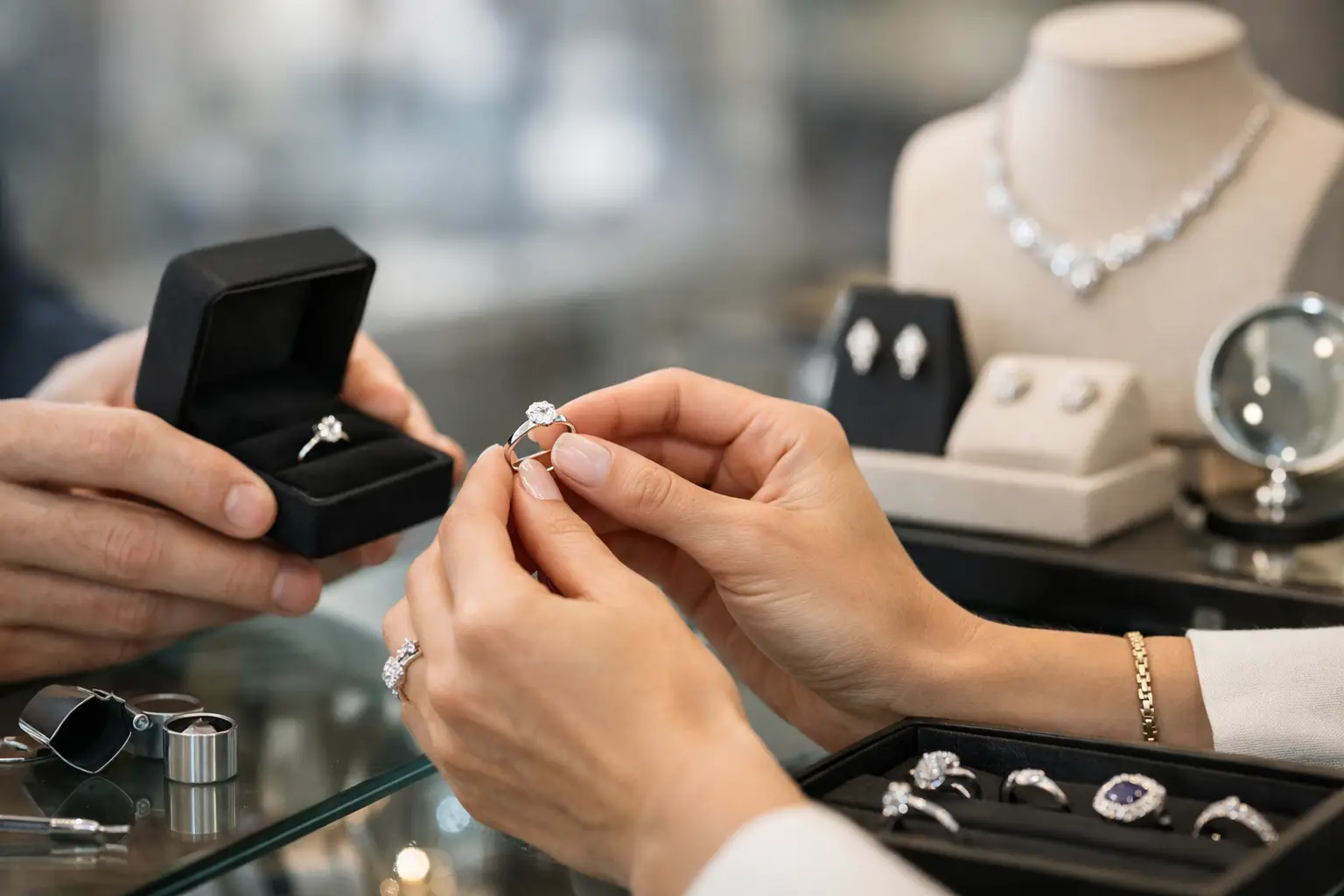
Buying in person offers a clearer sense of weight, finish, and wearability. You can see whether a chain lies flat, whether a ring feels balanced, and whether a gemstone has life in natural light. For buyers in cities such as Barcelona, Madrid, New York, or Los Angeles, in-person access can be useful when comparing luxury standards across brands.
There is no single better route. Direct-to-consumer fine jewelry can offer strong value when the brand is disciplined about materials and construction. Traditional retail can offer service and immediacy. What matters is not the channel but the rigor behind the piece.
Questions worth asking before you buy
Before any purchase, ask what the jewelry is made of, whether the metal is solid or plated, whether the stone is natural, lab-grown, or treated, and what maintenance the piece may require over time. These are not aggressive questions. They are the baseline for buying intelligently.
You should also ask yourself a quieter question: would you still want this piece if no one knew the brand name? Fine jewelry earns its place through design, substance, and emotional relevance. Prestige can enhance that, but it should not replace it.
Maison Astral approaches this category with the right premise - luxury jewelry designed to last. That standard is worth applying wherever you shop.
A final standard for buying well
The most compelling fine jewelry is rarely the loudest piece in the room. It is the one you continue reaching for, the one that settles naturally into your life, the one that still feels exact after the occasion has passed. Buy for that version of value, and the decision tends to become much simpler.