A ring can look perfect in the box and disappointing six months later. That is usually where the difference between fine jewelry vs fashion jewelry becomes unmistakable - not in the first impression, but in how a piece wears, ages, and stays relevant.
For anyone building a personal collection, buying a meaningful gift, or choosing jewelry for everyday use, the distinction matters. Not because one category is always right and the other always wrong, but because they are made for different expectations. If you want jewelry to become part of your wardrobe for years, the details behind the shine matter more than the shine itself.
Fine jewelry vs fashion jewelry: the real difference
At a glance, these categories can overlap visually. A fashion piece may echo the silhouette of a fine piece. A fine piece may feel understated enough to be mistaken for something simple. The real divide is structural.
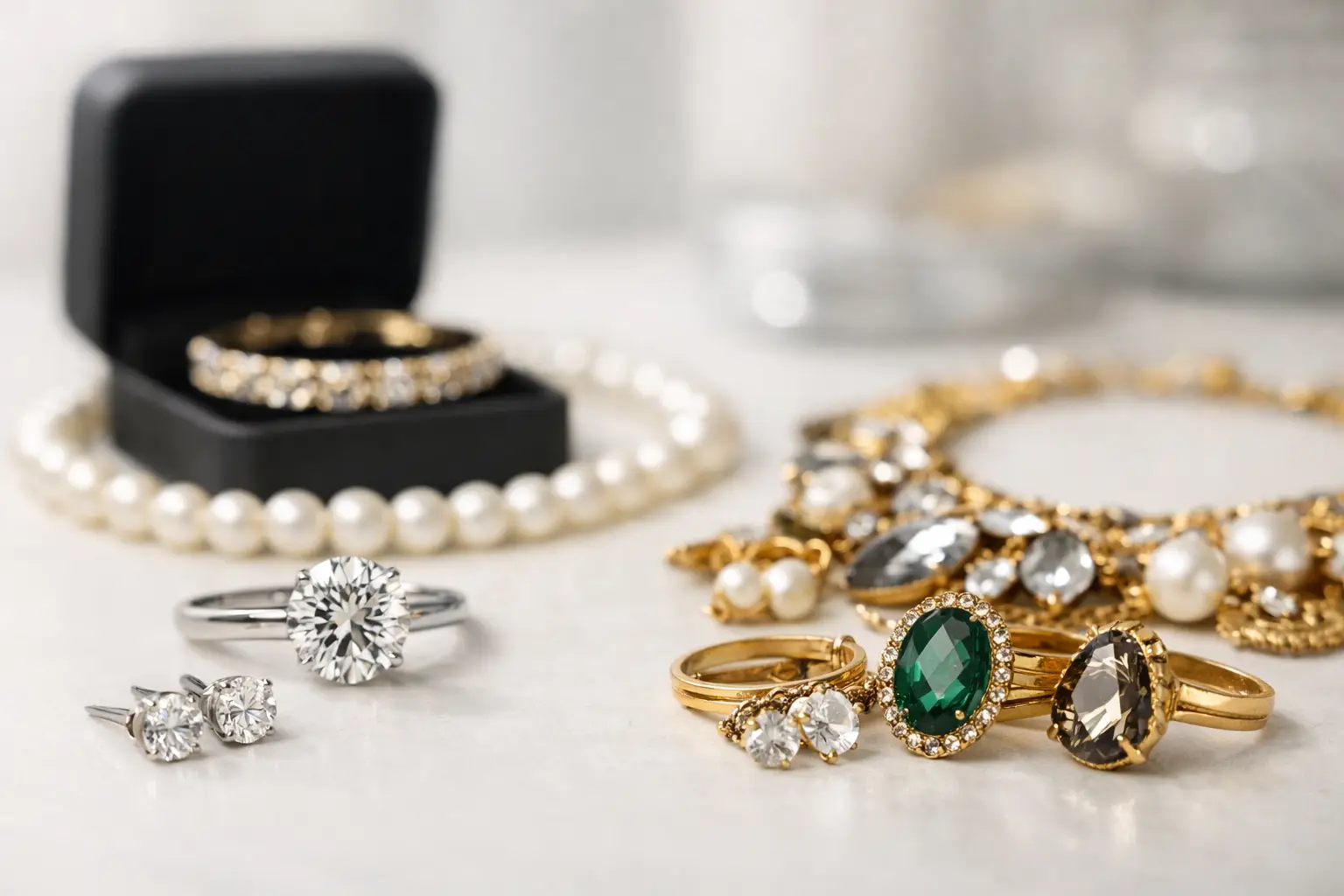
Fine jewelry is made from precious metals and, often, genuine gemstones. Think solid gold, platinum, sterling silver, diamonds, sapphires, emeralds, or pearls selected for longevity and quality. It is designed to be worn repeatedly, repaired if needed, and kept over time.
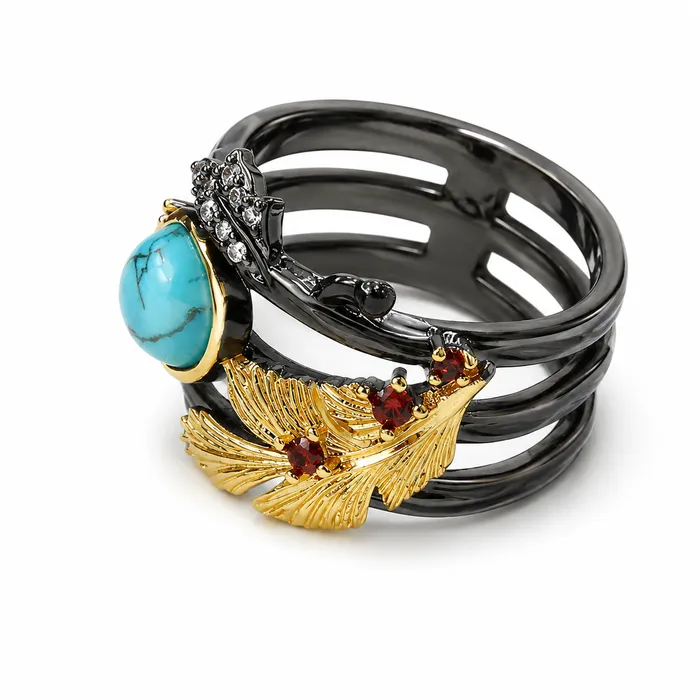
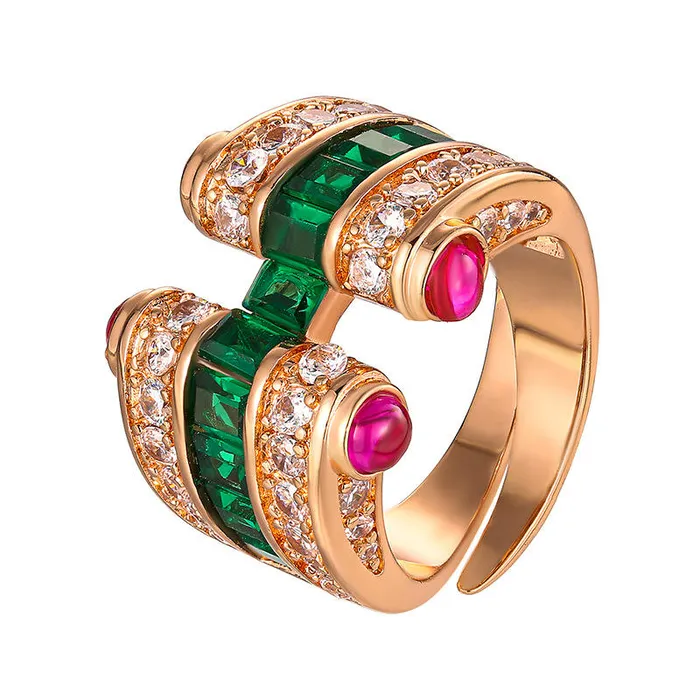
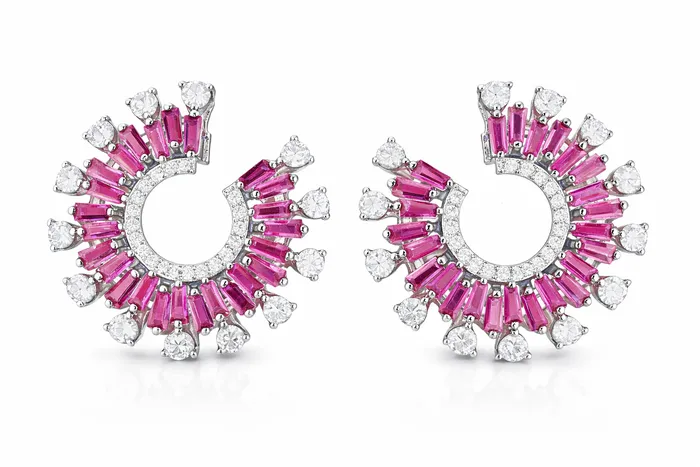
Fashion jewelry, sometimes called costume jewelry, is usually made from base metals, plated finishes, glass stones, resin, acrylic, or synthetic materials. It is often trend-led, lower in price, and created for seasonal styling rather than decades of wear.
That does not mean fashion jewelry has no place. It can be expressive, playful, and useful for occasional looks. But it serves a different purpose. Fine jewelry is an investment in permanence. Fashion jewelry is often an investment in the moment.
Materials decide more than appearance
The fastest way to understand fine jewelry vs fashion jewelry is to look past design and into composition.
A fine jewelry piece begins with materials chosen for durability. Solid gold does not flake. Platinum holds up exceptionally well with daily wear. Sterling silver can last beautifully when cared for properly. Natural gemstones vary in hardness and value, but in fine jewelry they are selected and set with longevity in mind.
Fashion jewelry typically relies on brass, copper, zinc alloy, stainless steel, or other non-precious metals, often finished with a thin layer of gold or silver plating. That finish can look polished at first, but plating wears down. Moisture, friction, perfume, lotion, and regular use can expose the base metal beneath.
For the wearer, this changes the experience. Fine jewelry usually keeps its integrity with time. Fashion jewelry often changes visibly - fading, tarnishing, scratching, or losing stones more quickly.
This is where price can be misleading. A lower upfront cost may feel practical, but if a piece needs replacing again and again, it can become the more expensive habit.
Craftsmanship is where longevity begins
Materials matter, but craftsmanship determines how well those materials perform.
In fine jewelry, construction is part of the value. Stone settings are more secure. Clasps feel substantial. Links, prongs, and closures are designed for repeated wear. The finishing is cleaner. Proportions are considered not only for beauty but for balance and comfort.
Fashion jewelry is usually produced faster and at lower cost. That often means lighter construction, glued stones instead of set stones, thinner plating, and less attention to long-term wear. Again, this is not a moral failure of the category. It is simply a different manufacturing priority.
If you wear the same necklace daily, craftsmanship stops being an abstract luxury term. It becomes practical. You notice whether a chain twists, whether a clasp loosens, whether a ring keeps its shape. Well-made jewelry earns its place quietly.
How each category fits into real life
The better question is not which type is better in theory. It is which one fits how you actually wear jewelry.
If you want pieces for everyday use - a ring you forget to remove, earrings you rely on for work and dinner, a necklace that works with a white shirt and a black dress - fine jewelry makes sense. It is built for repetition. It tends to age with more grace, and that changes the relationship you have with it.
If you want a bold statement for a single event, a trend-driven look, or something intentionally temporary, fashion jewelry can do that well. It lets you experiment without the commitment that comes with a higher-priced piece.
Most well-edited collections include both. The distinction is that your foundation usually benefits from being fine. The pieces you wear most should be the ones you trust most.
Fine jewelry vs fashion jewelry for gifting
When jewelry is a gift, the category sends a message before the box is even opened.
Fine jewelry tends to mark significance. Anniversaries, birthdays, graduations, engagements, new motherhood, career milestones - these moments call for something with emotional and physical permanence. A fine piece says this is meant to stay with you.
Fashion jewelry can still be thoughtful, especially when the goal is fun, trend, or immediacy. But it rarely carries the same sense of lasting intention. For a meaningful gift, people often want the object to outlast the occasion.
That matters in markets like the US and Spain, where jewelry is often tied to memory, family, and personal ritual. A well-chosen fine piece can move through years of wear and still feel connected to the day it was given.
Price, value, and the cost of replacement
Fine jewelry costs more because the materials and labor cost more. That part is simple. The more useful question is whether the value holds.
With fine jewelry, value comes from several directions at once: precious materials, stronger construction, repairability, and aesthetic longevity. Not every piece will appreciate financially, and not every buyer is looking for resale potential. Still, a fine piece generally retains more inherent worth than a plated accessory.
Fashion jewelry is more accessible at the start, but usually has limited long-term value. Once the plating wears off or the structure fails, repair is often impractical. Replacement becomes the default.
This is why some buyers move away from impulsive accessory shopping over time. They realize that buying fewer, better pieces creates a calmer and more coherent wardrobe. Luxury, at its best, is not excess. It is selectivity.
Signs a piece is worth buying
Whether you are shopping online or in person, a few details reveal what kind of jewelry you are looking at.
Ask what metal is actually used, not just what color it appears to be. Gold-toned is not gold. Gold vermeil is not solid gold. Gold-plated silver is different from gold-plated brass. These distinctions affect lifespan, maintenance, and value.
Look for transparency around stone type, metal purity, and construction. If the description is vague, the piece usually is too. Fine jewelry brands tend to speak clearly about materials because those materials are part of the product's worth.
Then consider design. A piece does not need to be conservative to be timeless, but it should feel intentional rather than disposable. The best fine jewelry has presence without depending on novelty.
When fashion jewelry still makes sense
A refined wardrobe does not require rejecting fashion jewelry completely. There are moments when it is the right choice.
For travel, highly stylized looks, costume dressing, or trend experimentation, fashion jewelry can be useful. It can also serve well when the design goal is dramatic scale that would be difficult to achieve at a fine jewelry price point.
The key is honesty about the purchase. If you are buying for one season, one event, or one mood, fashion jewelry may be enough. If you are buying for daily wear, sentiment, or longevity, it usually is not.
That distinction is where brands built around permanence stand apart. Maison Astral, for example, speaks to the buyer who wants jewelry to feel lasting in every sense - materially, stylistically, and emotionally.
Choosing with more clarity
The best jewelry decisions are rarely about trend alone. They come from knowing what you expect a piece to do.
If you want jewelry that lives with you, holds its finish, keeps its shape, and still feels right years from now, fine jewelry is the stronger choice. If you want something playful, temporary, or occasion-specific, fashion jewelry may be enough.
A good collection does not need to be large. It needs to be considered. Buy the fleeting piece when fleeting is the point. Buy the lasting piece when you want to wear memory, not just decoration.